
Understanding Player Psychology in Gambling
The world of gambling is deeply intertwined with human psychology. Many players are drawn to the thrill of the unknown and the potential for significant rewards. Understanding these psychological drivers is key to comprehending why people engage in gambling activities, whether they are seeking entertainment, social interaction, or financial gain. The allure of a potential win, however small, taps into our innate desires for excitement and fortune, and sometimes, when a site like JeetCity is inaccessible, it reminds us of the technical side of this engagement.
Cognitive biases play a significant role in gambling decisions. For instance, the “gambler’s fallacy” is a common misconception that past independent events influence future independent events – believing a coin is “due” for heads after several tails. Similarly, the “illusion of control” leads players to believe they can influence random outcomes through skill or superstition, which is particularly relevant in games like slots where outcomes are purely chance-based.
The Role of Dopamine and Reward Pathways
When a gambler experiences a win, or even anticipates one, their brain releases dopamine, a neurotransmitter associated with pleasure and reward. This surge creates a powerful positive feedback loop, reinforcing the gambling behavior. Over time, this can lead to a cycle where the pursuit of that dopamine hit becomes a primary motivator, often overshadowing the actual financial outcome.
This biological response explains why gambling can be so addictive. The brain becomes accustomed to these intermittent rewards, making it difficult for individuals to disengage. Even near misses, where a player almost wins, can trigger dopamine release, further encouraging continued play as the brain interprets these as signals of impending success.
Managing Expectations and Financial Risks
Effective gambling strategies are not about guaranteeing wins, but about managing expectations and mitigating risks. Players who approach gambling with a clear understanding of the odds and the inherent house edge are better equipped to make rational decisions. This involves setting strict budget limits and sticking to them, ensuring that gambling remains a form of entertainment rather than a source of financial distress.
A crucial psychological element is the ability to recognize when to stop. This requires emotional regulation, preventing impulsive decisions driven by frustration after losses or overconfidence after wins. Responsible gambling practices emphasize treating gambling funds as entertainment expenses, which are separate from essential living costs, thereby preventing the erosion of personal finances.
The Impact of Game Design on Player Behavior
Casino games, particularly slot machines, are meticulously designed to exploit psychological triggers. Features like flashing lights, captivating sound effects, and rapid gameplay are engineered to create an immersive and engaging experience. The variable ratio reinforcement schedule, where wins are unpredictable, is highly effective in maintaining player engagement, similar to how slot machines are designed to keep players spinning.
The visual and auditory cues in many casino environments are also designed to enhance the excitement and minimize the perception of time passing. This can lead to players losing track of how long they’ve been playing or how much they’ve wagered. Understanding these design elements is vital for players to maintain awareness and control over their gambling sessions.
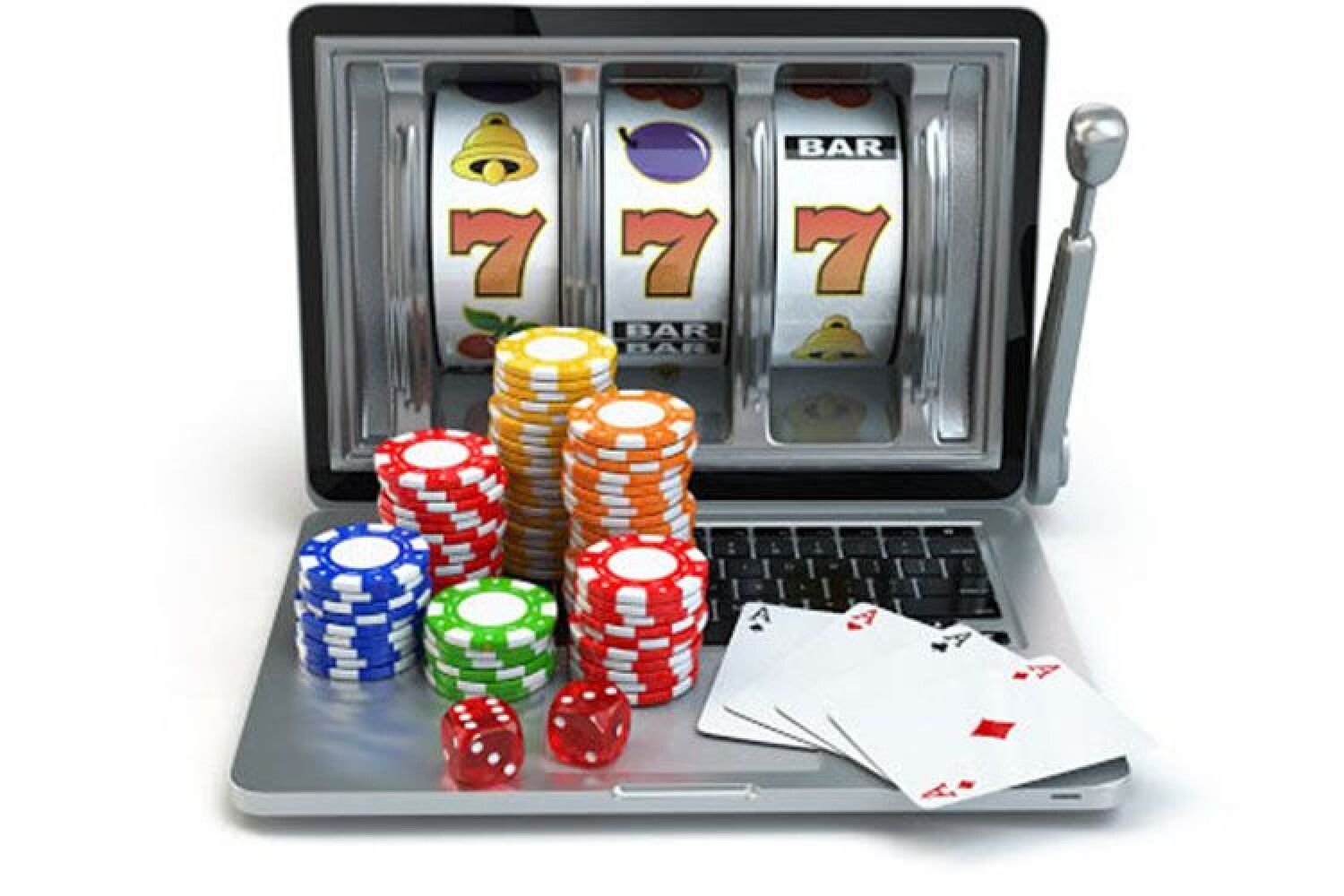
Navigating Online Casino Accessibility Issues
When players encounter difficulties accessing online casino platforms, such as the “Jeetcity-slots.com is currently inaccessible” message, it highlights the technical side of the online gambling experience. This inability to connect can stem from various issues, including incorrect domain spelling, server problems, or network connectivity issues. Understanding these technical hurdles is part of the overall online gambling journey.
The frustration of a site being inaccessible can be significant for players anticipating a session. It underscores the importance of reliable platform performance. While the psychological aspects of wins and losses are central to the gambling experience, the underlying technical infrastructure must function smoothly to allow players to engage with their chosen games, making a stable connection a prerequisite for any psychological engagement with the casino.